Broader Implications of Atoms for Peace
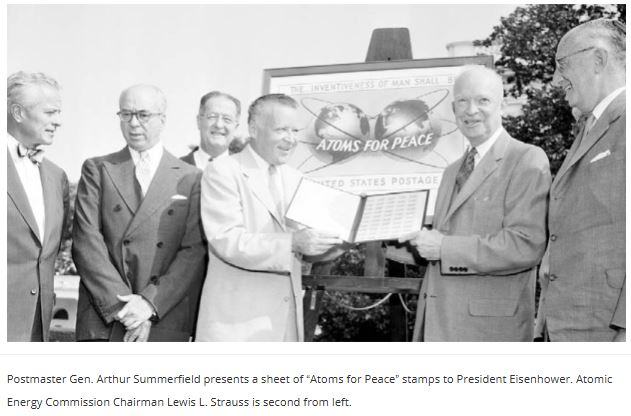
The Atoms for Peace initiative initially aimed to curb nuclear weapons proliferation by offering peaceful nuclear technology under safeguards. But its legacy is controversial.

Some experts argue it contributed to nuclear proliferation, citing countries like India, Pakistan, and Israel, where scientists trained under U.S. programs later built weapons.
Others, like Professor Mohammad Homayounvash, say the program allowed peaceful research while limiting weapons development via strict controls (e.g., leasing uranium rather than selling it outright).
Cases like Argentina, Brazil, Taiwan, and South Korea demonstrate that robust international monitoring helped prevent nuclear misuse, suggesting Atoms for Peace had both risks and benefits.
Origins in U.S. Assistance
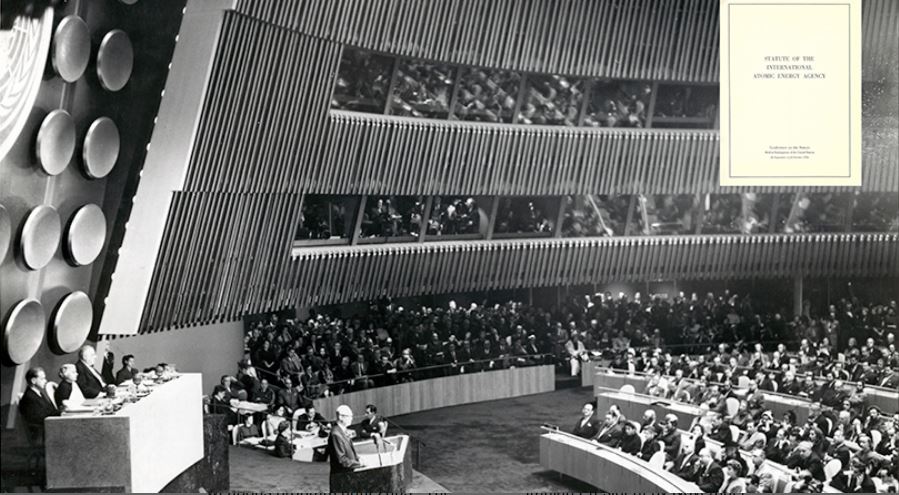
Iran’s nuclear program dates back to the 1950s when it began with the support of the United States under the Atoms for Peace initiative launched by President Dwight D. Eisenhower.
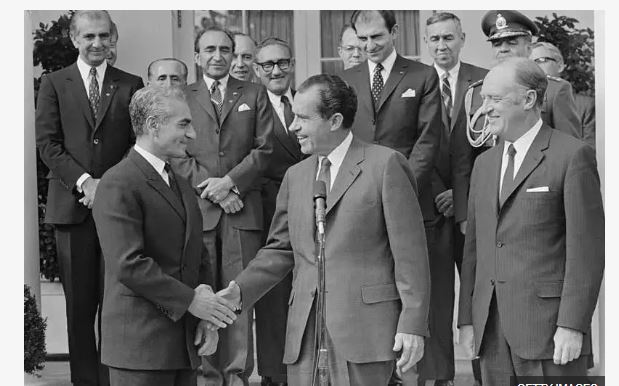
In 1957, the U.S. and Iran signed a nuclear cooperation agreement, during the rule of Shah Mohammad Reza Pahlavi. As part of this, the U.S. provided Iran a five-megawatt nuclear research reactor in 1967, along with highly enriched uranium for its operation.
Iran was seen as a strategic ally during the Cold War, and the program was intended to keep Iran aligned with the West. According to classified documents, Iran was envisioned as a bulwark against the Soviet Union.
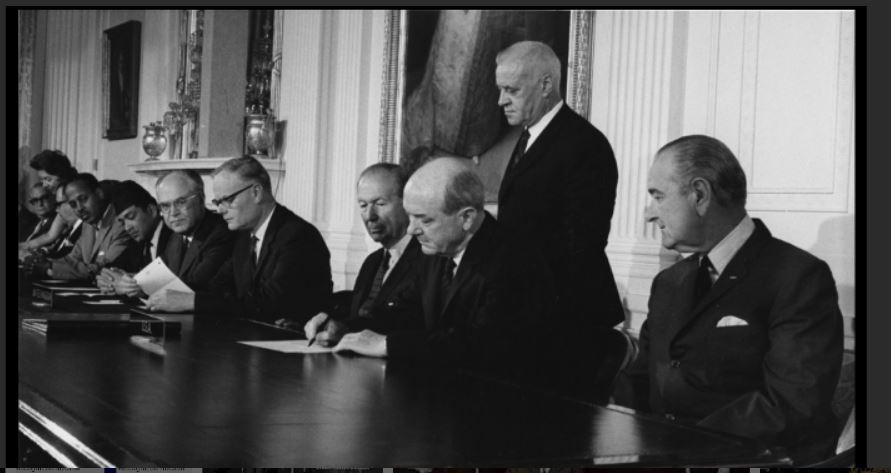
In 1970, Iran signed the Nuclear Non-Proliferation Treaty (NPT), pledging not to acquire nuclear weapons.
In 1974, Iran announced plans to build 23 nuclear power stations within two decades. However, Iran lacked sufficient nuclear engineers, prompting it to fund a master’s program at MIT for its students. This faced backlash from MIT staff and students over human rights concerns and nuclear proliferation risks.
Post-Revolution: The Program Stalls and Revives
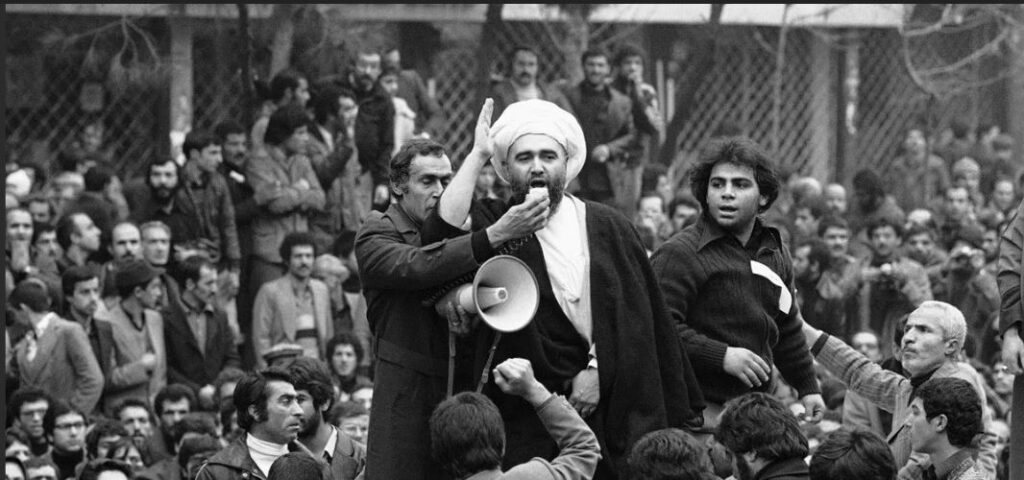
Following the Islamic Revolution of 1979, the nuclear cooperation agreement between Iran and the U.S. ended. The new government under Ayatollah Khomeini viewed the nuclear program as a wasteful legacy of the Shah and halted it for several years. Many trained scientists fled the country.
However, over time, Iranian leaders recognized the strategic and military importance of nuclear technology. They attempted to revive the program quietly, reaching out to returning experts and building domestic capabilities.
Global Scrutiny and IAEA Findings
In 2003, the International Atomic Energy Agency (IAEA) revealed that Iran had secretly been running a nuclear program for 18 years, including sophisticated nuclear facilities. This revelation sparked global alarm as it appeared to violate Iran’s NPT obligations.
The discovery led to condemnation not only from Western powers but also from Iran’s traditional allies like Russia and China. These countries joined the international community in calling for sanctions and diplomatic pressure.
Iran, under President Mohammad Khatami, claimed the nuclear program was peaceful, but the U.S. remained skeptical, believing Iran aimed to acquire nuclear weapons.
Diplomatic Efforts and Shifting U.S. Policies
Iran’s nuclear program became a central foreign policy issue for four consecutive U.S. presidents: George W. Bush, Barack Obama, Donald Trump, and Joe Biden.
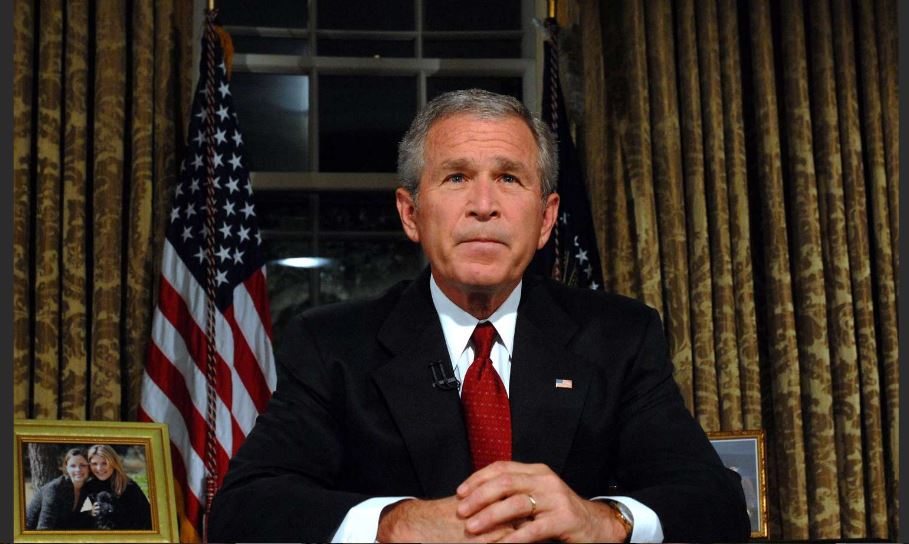
2002: President George W. Bush labeled Iran part of the “Axis of Evil” and pushed for strong international sanctions.
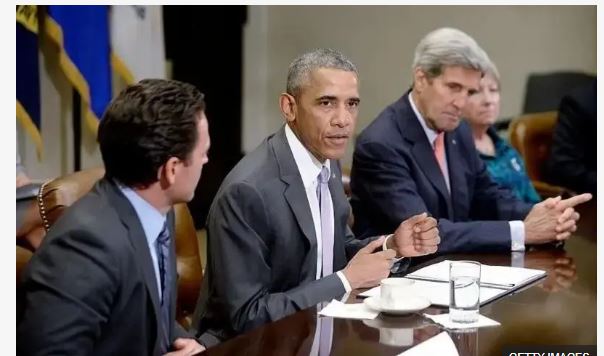
2015: President Barack Obama, along with the UK, France, China, Russia, and Germany, signed the Joint Comprehensive Plan of Action (JCPOA). The deal lifted sanctions in exchange for Iran agreeing to restrict its nuclear program and allow inspections.
2018: President Donald Trump withdrew the U.S. from the deal and reimposed sanctions, citing Iran’s alleged non-compliance. In retaliation, Iran increased uranium enrichment to 60%, far above the 4.5% used for energy production and close to the 90% needed for nuclear weapons.
President Joe Biden attempted to revive the JCPOA, but negotiations stalled.

The Latest Escalation: Military Strikes
In a dramatic escalation, the U.S. and Israel launched airstrikes last week on Iranian nuclear facilities, aiming to cripple Iran’s capabilities. However, the future of Iran’s nuclear program remains uncertain, as it has deep historical roots and strategic motivations.
A Complex Legacy
Iran’s nuclear journey, which began with U.S. cooperation, evolved into a global security crisis. The historical irony lies in the fact that the same program meant to prevent nuclear conflict helped lay the technical foundation for one of the most contentious nuclear issues of our time.
About the Author