Dialogue Key to Stability as Wang Yi, Marco Rubio Meet Amid China-US Tensions
Kuala Lumpur — In a pivotal diplomatic move, Chinese Foreign Minister Wang Yi met with U.S. Secretary of State Marco Rubio on Friday on the sidelines of the ASEAN Foreign Ministers’ Meeting in Kuala Lumpur. The in-person exchange—the first since U.S. President Donald Trump returned to office in January—is being hailed by experts as a significant step toward implementing leaders’ consensus and maintaining stability in China-U.S. relations.
According to the Chinese Foreign Ministry, both sides described the meeting as “positive, pragmatic, and constructive.” They agreed to strengthen communication through various diplomatic channels, manage differences responsibly, and seek new areas for cooperation. A similar tone was echoed in the U.S. Department of State’s statement, which emphasized open communication and constructive engagement.
Building on Leaders’ Consensus
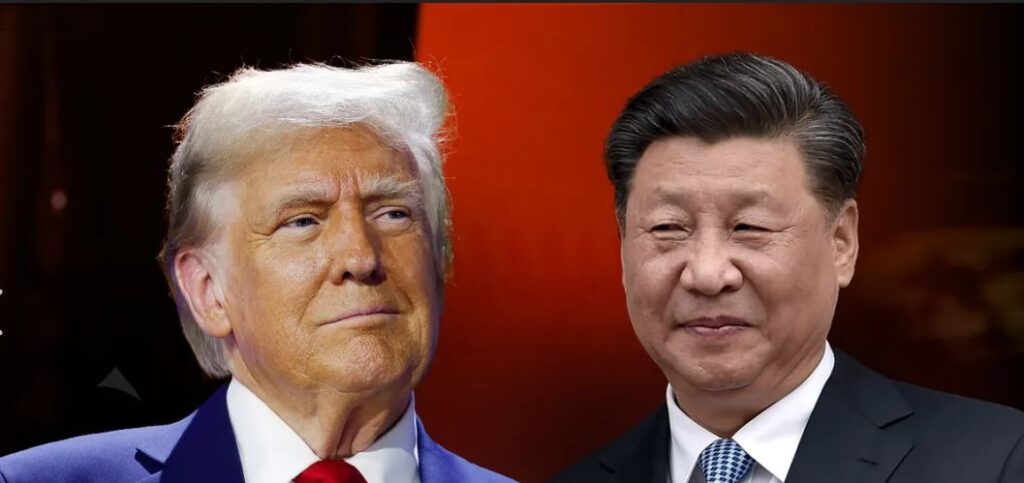
The meeting follows two phone calls this year between Presidents Xi Jinping and Donald Trump, held in January and June, respectively. Analysts say these top-level interactions laid a strategic framework for diplomacy and have been instrumental in stabilizing bilateral relations during a time of escalating global crises, including the Ukraine conflict, Middle East tensions, and tariff disputes.
“Wang and Rubio’s meeting aligns with the direction set by both heads of state,” said Diao Daming, professor at Renmin University. “It signals a willingness to implement consensus, manage tensions, and build a foundation for a future leaders’ summit.”
During the meeting, Wang urged the U.S. to adopt an objective and pragmatic view of China, emphasizing mutual respect, peaceful coexistence, and win-win cooperation. Rubio described the meeting as “very constructive,” and hinted at high odds for an upcoming Xi-Trump summit.
ASEAN Context and Regional Stability
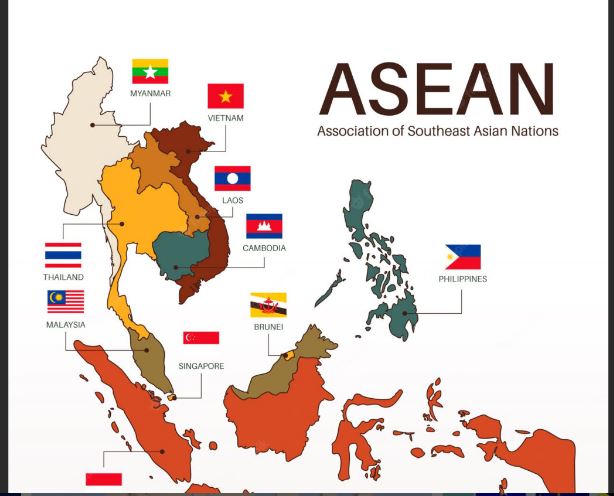
The Wang-Rubio meeting took place during a broader diplomatic event where both officials also met with their ASEAN counterparts. Rubio reiterated the U.S. commitment to a “free and open Indo-Pacific,” while Wang positioned China as ASEAN’s “most dependable partner.”
ASEAN’s joint communiqué criticized unilateral tariffs, warning of the risks of global economic fragmentation, and affirmed the region’s push toward regional trade cooperation, notably through the RCEP agreement.
Malaysian Foreign Minister Mohamad Hasan, speaking at the East Asia Summit, described the world as facing a “complex web of crises”—from armed conflicts to economic uncertainty—underscoring the importance of constructive global engagement.
Concerns Over U.S. Tariffs and Strategy
Tensions were heightened by Washington’s announcement of new tariffs on six ASEAN nations, set to take effect on August 1, including a 25% tariff on Malaysia and up to 40% on others like Laos and Myanmar.
Critics across ASEAN voiced concern over the U.S. push for economic containment and increasing great power rivalry in the region. Former Malaysian Prime Minister Mahathir Mohamad advised strengthening ties with China, noting its 2,000-year history as a regional neighbor.
Experts like Li Haidong from China Foreign Affairs University argue that U.S. Indo-Pacific rhetoric is losing traction due to its divisive implications. “If the U.S. continues promoting division and instability, it will face opposition not just from China but from much of the Asia-Pacific,” said Li.
Outlook: Stability Through Engagement
Despite geopolitical headwinds, the Wang-Rubio meeting offers a stabilizing signal to both the Asia-Pacific region and the broader international community. Experts say that continued high-level dialogue will be essential to de-escalating tensions and finding common ground on global challenges.
“Amid an unstable world order, China and the U.S. talking—especially on an ASEAN platform—sends a message of hope and balance,” said Li. “That certainty is something the region desperately needs.”
About the Author