Happiest Countries In The World 2025
What happiest country means:
Despite its frigid weather, long dark winters, and high cost of living, Finland ranks as the happiest country in the world for the sixth year in a row, according to the UN World Happiness Report. This happiness isn’t due to wealth—over 25 countries surpass Finland in GDP per capita—but rather reflects broader well-being trends common in Nordic countries.
Happiest Countries Embraced Support
The World Happiness Report reveals that trust and kindness are key to happiness, even amid global challenges. Since 2013, the happiest countries have shown strong social trust and resilience. Simple acts, like returning a lost wallet, reflect this trust. The 2024 report emphasizes that both giving and receiving kindness boost happiness, especially for those who are less happy. Acts of generosity rose during the COVID-19 pandemic and remain 10% higher than before, highlighting benevolence as a major factor in well-being.
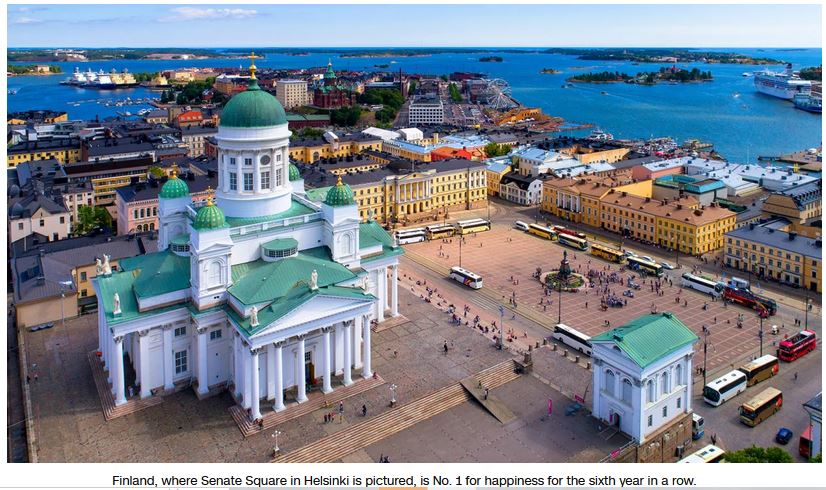
#1 | Finland 🇫🇮
Finland has once again secured its place at the top of the World Happiness Report, a position it first claimed in 2018 after jumping from fifth place—and it shows no signs of letting go. This consistent top ranking reflects more than just national pride; it points to a way of life deeply rooted in well-being, simplicity, and balance.
Finns benefit from a high standard of living, strong education and healthcare systems, low corruption, and a well-functioning democracy. But happiness in Finland is also about quality of life beyond the basics. The country boasts a rich cultural scene that includes music, art, and literature, as well as a unique national pastime: relaxing in saunas. With over three million saunas for a population of just 5.6 million, sauna culture is both a communal and individual ritual that promotes mental and physical well-being.
Nature plays a vital role in Finnish happiness too. With more forest per square mile than any other country in Europe, Finland offers its citizens abundant access to green spaces, clean air, and tranquil lakes. Many Finns credit their deep connection to nature and time spent outdoors—whether hiking, skiing, or simply walking in the woods—as key contributors to their life satisfaction. In a fast-paced world, Finland’s harmonious blend of modern living and natural serenity may be the secret behind its sustained happiness.
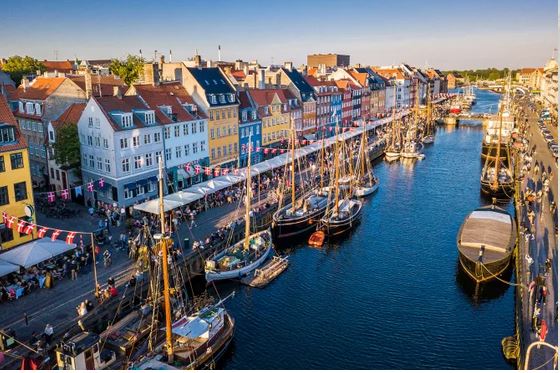
#2 | Denmark 🇩🇰
Denmark has ranked as the second-happiest country for the seventh straight year, after previously topping the list in 2012, 2013, and 2016. Like other Nordic nations, Denmark benefits from a strong social and political system that promotes equality and shared well-being. Danes enjoy excellent work-life balance, quality healthcare, a clean environment, and one of the smallest wealth gaps globally—factors that contribute to a happier, more equitable society.

#3 | Iceland 🇮🇸
Iceland, with a population of around 400,000, consistently ranks high in quality-of-life measures. It has been named the most peaceful country and the best for gender equality for over a decade. Known for its environmental friendliness and rich literary culture—10% of Icelanders are expected to write a book in their lifetime—the country also offers free healthcare and education, low taxes, and stunning natural beauty. Since 2022, Iceland has held the third spot on the World Happiness Report, reflecting its strong social systems and high life satisfaction.

#4 | Sweden 🇸🇪
Sweden continues to hold its previous position on the World Happiness Report, ranking high due to its wealth, strong social support, and trust in public institutions. The country is known for its excellent work-life balance, offering generous vacation time—at least 25 days annually, often more—and up to 480 days of parental leave with about 80% salary coverage, all of which contribute to Swedes’ overall happiness and well-being.

#5 | The Netherlands 🇳🇱
The Netherlands rose one spot in this year’s happiness ranking, reflecting its growing affluence, education levels, and personal freedom. It is the only top 10 country with a population over 15 million, and it stands out for having the smallest happiness gap between its most and least happy citizens—indicating a high and evenly shared sense of well-being across the population.

#6 | Costa Rica 🇨🇷
Despite around 20% of its population living below the poverty line, Costa Rica ranks among the happiest countries in the world. This is largely due to its strong welfare system, which provides universal healthcare, education, and generous pensions. Since abolishing its military in 1949, the country has redirected funds toward social programs. Combined with strong family bonds, beautiful scenery, and a pleasant climate, these factors contribute to the high life satisfaction of Costa Ricans.
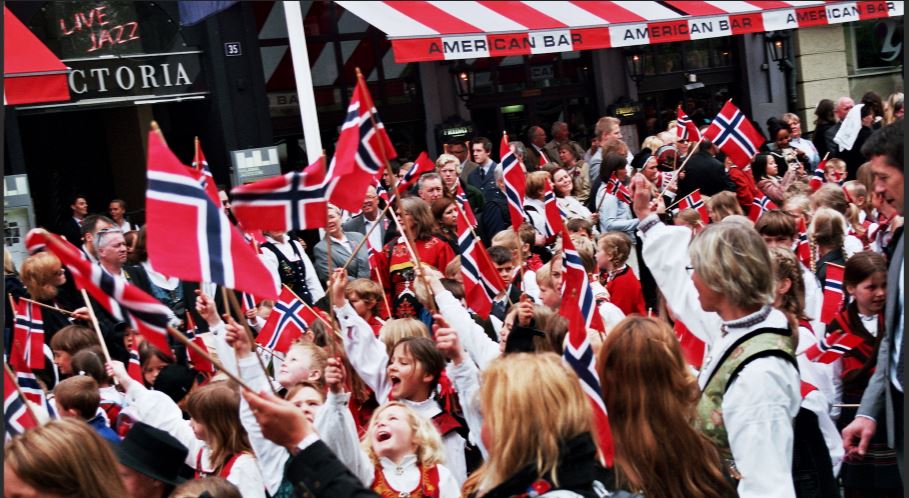
#7 | Norway 🇳🇴
Norway, one of the world’s most prosperous and principled nations, values democracy that promotes social and economic equality. This results in low income and gender disparities, free healthcare, and strong trust in government. During the COVID-19 pandemic, Norway effectively kept mortality low and reduced economic fallout, highlighting the strength of its social model. Although it has dropped from its 2017 top spot in the happiness rankings, Norway remains a standout example of a successful and equitable society.

#8 | Israel 🇮🇱
Despite dropping three spots this year, Israel remains near the top of the UN Happiness Index—even amid ongoing conflict with Gaza. This is partly due to increased empathy and solidarity during crises, which can boost happiness. Since the index began, Israel has never ranked below 14th. Its high happiness levels stem from strong community bonds, personal freedom, and a vibrant, resilient society, showing that happiness depends on more than just peace or wealth.

#9 | Luxembourg 🇱🇺
Luxembourg, once near the bottom of the top 20 a decade ago, has ranked in the top 10 of the World Happiness Report since 2020. With a population under 700,000, it scores high in social connections, personal freedom, well-being, and life expectancy. While wealth isn’t everything, its status as one of the richest countries—with an average monthly salary of nearly €7,000—contributes to its strong happiness ranking.
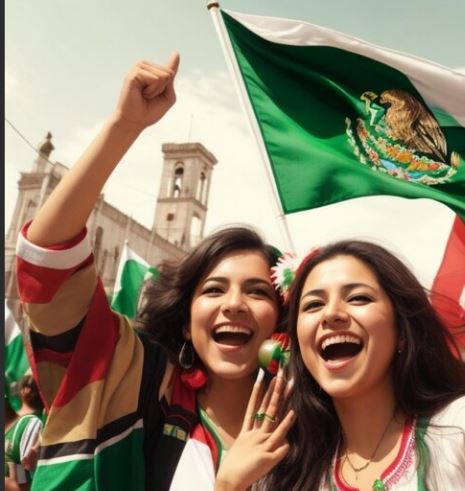
#10 | Mexico 🇲🇽
Mexico and other Latin American countries demonstrate that strong family bonds and larger households contribute significantly to happiness. People living with extended family or in households of four to five tend to report higher life satisfaction, even if economic satisfaction is lower. In Mexico, single and two-person households are far less common than in Europe, reflecting a culture centered on close relationships. Beyond family, Mexicans also enjoy strong social connections and support networks, knowing they can rely on others in times of need.
About the Author