The World Is Forced to Spend $1.5 Trillion Annually on Health Due To the Plastic Crisis
The world is forced to spend $1.5 trillion annually on human health due to the plastic crisis. Plastic has started causing diseases and death. The world’s plastic waste has reached eight billion tons.
This waste is converted into micro or nano plastic and enters the human body through water, food and breath. Nano plastic particles, invisible to the human eye, have reached human blood, brain, breast milk and even bone marrow.
According to a report by the British daily Guardian, the world is currently facing a “plastic crisis”. This crisis is causing diseases and death. The annual costs of human health due to plastic have now reached $1.5 trillion.
Since 1950, global plastic production has increased 200 times. By 2060, global plastic production is estimated to be one billion tons per year. The most common uses of plastic are single-use items, such as soft drink bottles and fast food containers. The resulting plastic waste is now reaching its peak.
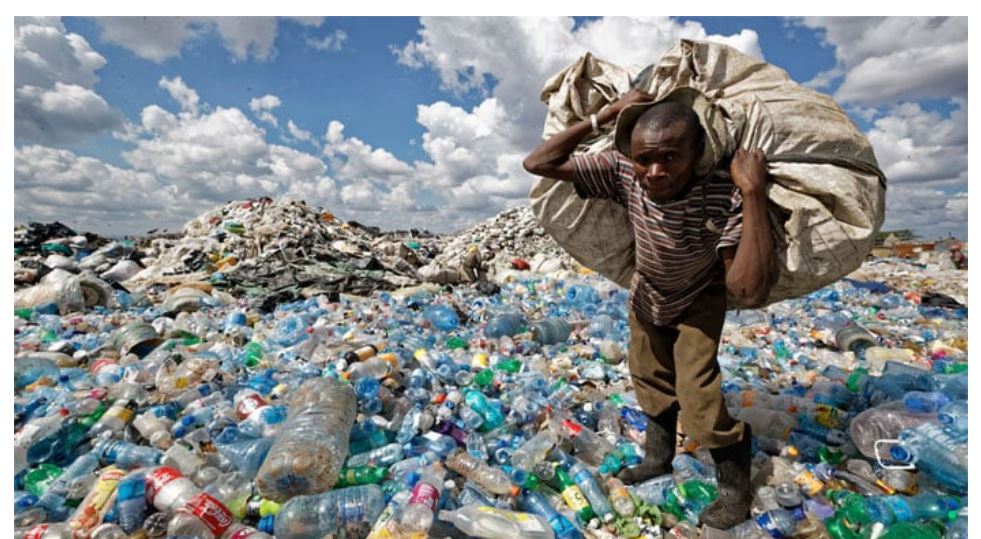
From the heights of Mount Everest to the depths of the ocean, 8 billion tons of plastic waste is currently polluting the earth. Because only 10 percent of the plastic produced in the world can be recycled.
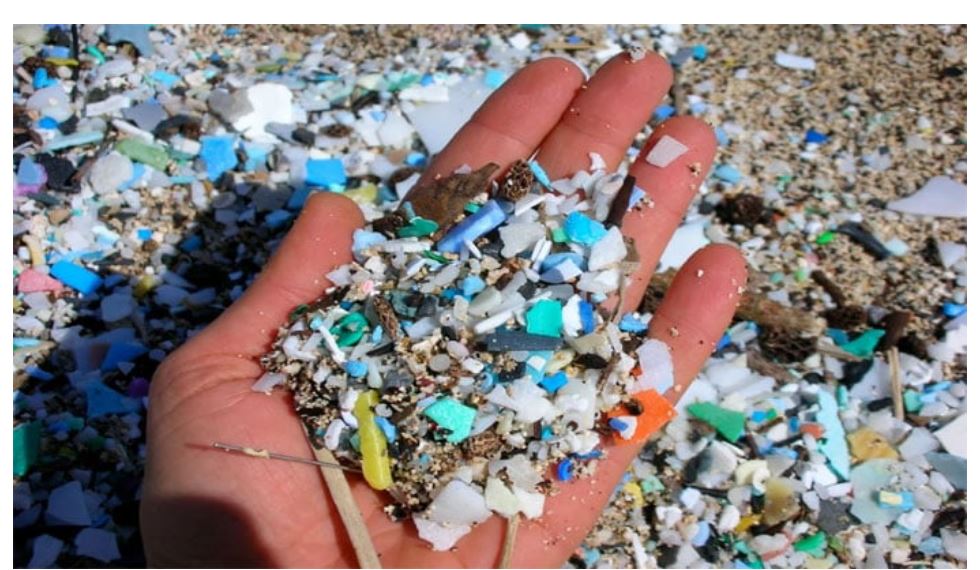
According to experts, plastic waste is increasing air pollution, toxic chemicals and the amount of microplastic particles in the human body. More than 16,000 chemicals are used in plastic. Many plastic chemicals are extremely harmful to human health. But plastic manufacturers keep secret which chemicals they use in the production of plastic.
Analysis has shown that fetuses, infants and young children in the womb are the most affected by plastic. Plastic pollution causes cancer in children, in addition to other birth defects, including miscarriage, premature birth, and weak lungs in children.
Plastic waste often breaks down into tiny pieces called micro or nano plastics and enters the human body through water, food and breathing. These tiny pieces of plastic, invisible to the human eye, have been found in human blood, brain, breast milk and bone marrow. These are likely the factors that cause strokes and heart attacks.
Experts say that it is a mistake to consider plastic as a cheap material because if we consider the effects on human health, then with an annual cost of 1.5 trillion dollars, plastic proves to be the most expensive material in the world.
About the Author