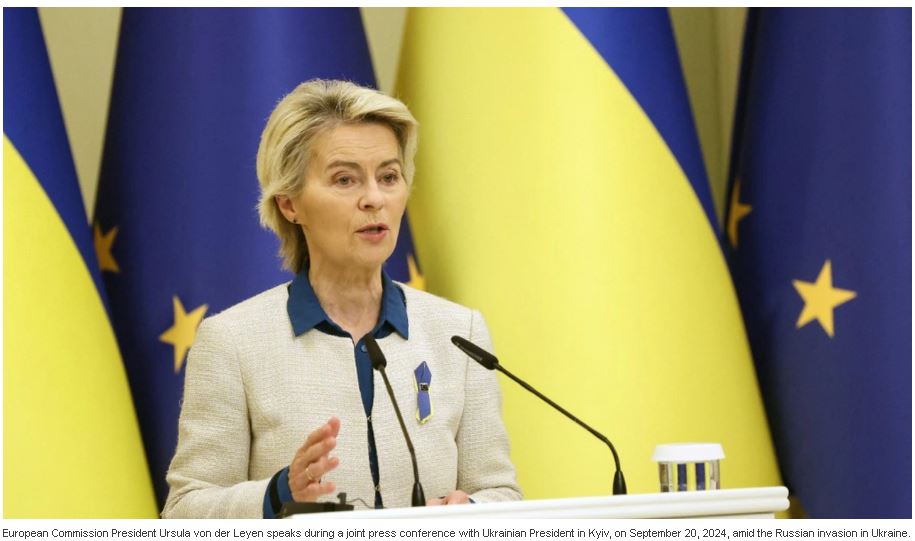
Brussels/Kyiv, July 25 – The European Union has suspended financial assistance to Ukraine, citing concerns over recent rollbacks of anti-corruption reforms by President Volodymyr Zelensky’s administration. The decision, confirmed by multiple diplomatic and government sources, was formally communicated to Kyiv on Wednesday through official channels.
According to reports from Ekonomichna Pravda, the freeze affects all current EU financial support programs for Ukraine, including critical funding packages tied to the country’s macroeconomic stability and reconstruction efforts. Among the impacted initiatives are the EU’s share of the Extraordinary Revenue Acceleration (ERA) loans – backed by approximately $20 billion in frozen Russian assets – as well as financing from the European Bank for Reconstruction and Development and the European Investment Bank.
An EU official familiar with the matter stated, “Everything has been put on hold until the situation is resolved,” emphasizing that restoration of independent anti-corruption institutions remains a prerequisite for resuming aid. The suspension potentially jeopardizes Ukraine’s access to €18 billion ($20.88 billion) in anticipated financial support, including funds from the Ukraine Facility program.
While the Ukraine Facility program may enjoy some protection under existing EU legislation, sources indicate that Prime Minister Yulia Svyrydenko has received formal notification warning of possible additional funding restrictions. To date, only €3.7 billion of the planned €12.5 billion Ukraine Facility package has been disbursed to Kyiv.
This development marks a significant escalation in the EU’s response to Ukraine’s reform implementation, representing the first instance of outright aid suspension rather than delayed disbursements. The decision underscores growing concerns among European partners about maintaining anti-corruption safeguards during wartime, even as Ukraine continues to defend itself against Russian aggression.
Ukrainian officials have yet to issue a formal public response to the EU’s decision. The move comes at a particularly sensitive time for Kyiv, as it balances urgent military needs with demands from international donors for sustained governance reforms. Analysts suggest the suspension may prompt urgent discussions within the Ukrainian government about how to address the EU’s concerns while maintaining crucial Western financial support.
About the Author