
Confusion
Inheritance, he received five hundred eighteen thousand four hundred gold coins; these coins were the total assets, but by the time he realized the value of his assets, eighty-six thousand four hundred coins had already been wasted, and four hundred thirty-two thousand remained. He decided to keep the remaining coins safe, but the question was where could he keep them safe? The cleric advised that he should bury these coins in the courtyard of the mosque; they would remain safe, and they would be beneficial for him and his descendants even after his death.
He was touched by the matter; he dug a pit in the mosque courtyard and buried 43,200 gold coins in it. He was happy with this good investment, but this happiness did not last long. A few days later, he became restless.
The other mosques in the neighborhood and their imams assured him that he had chosen the wrong mosque, that his investment would go to waste, and that he should say goodbye to this mosque and bury the rest of his investment in our school, in our mosque, which would improve both his worldly and afterlife conditions.
He became confused and one day, in that confusion, he took out his chest and banged his head. His chest was truly empty; his 43,200 gold coins had disappeared. He ran away with the empty chest and went straight to the market. He decided to keep the remaining investment with the moneylenders in the market. These moneylenders took investments.
They used to keep money for five years, and after five years, they would start paying interest installments along with the principal amount. It was a good and safe investment; you would invest money and start receiving it back with returns after five years. He kept his 43,200 coins with the moneylenders in the market. He would go to the moneylender every day and sit with him all day, assuring himself that his capital was safe, and would return home in the evening. This routine continued for five years. He was now content. Five years were completed, and he went to the moneylender to demand the return of his capital. The moneylender replied regretfully, ‘Brother, your capital is safe, but the market is bearish; we cannot return your money immediately; you will have to wait.’
His heart sank; he became worried but did not lose hope. He started visiting the pawnshop repeatedly to recover his capital. This continued for five years. The pawnbroker had his 43,200 coins, while he had spent 43,200 coins just on traveling to and from the pawnbroker’s office. One day, he sat down and calculated that he had wasted a total of 216,000 gold coins so far. He began to regret this loss, but then he realized that despite the loss, he was not bankrupt yet. He still owned 302,400 coins.
If he makes a good investment, then his remaining capital will also be secure, and he will recover from his losses. He got up, stopped lamenting about the loss, and started looking for safe investment opportunities. He kept searching until he found out that a new market had opened in the city. In this market, there were machines for investment; you put a coin into the machine, and it produces two, three, or four coins in return. Thus, with a little investment, you become wealthy. He went to the market and indeed found the machines there. He bought a beautiful and delicate machine that had a label saying, ‘You can only put in 24 coins per day; you will have to wait until the next day to insert the 25th coin.’ He was happy because this machine only accepted 24 coins a day, and this investment suited him.
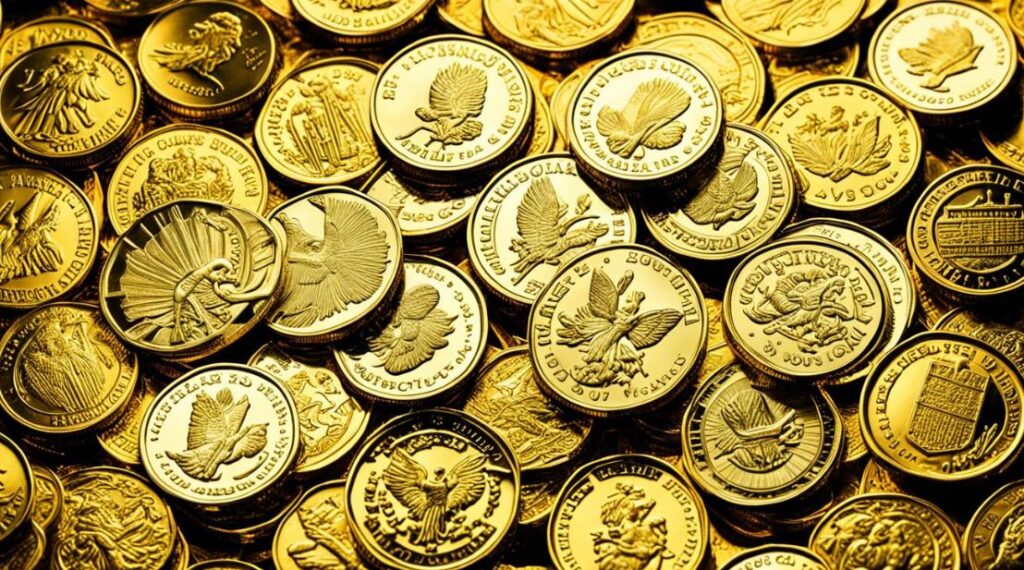
He recited Bismillah, dropped a coin into the machine, and began waiting for four coins to come out. The machine did not dispense four coins; he dropped another coin, which also got wasted. He kept putting coins into the machine for three days, but no coins came out. He went to the shopkeeper. The shopkeeper listened to his complaint and smiled, responding, ‘Sir, don’t be impatient; coins will definitely come out of the machine. I am using this machine myself; I had to wait for six months at first, but eventually, the coins came out. Don’t lose hope; you will surely succeed.’ He did not want to believe the shopkeeper’s words, but other customers also supported the shopkeeper’s claim. He returned home and started putting coins into the machine again.
He kept putting coins in, kept putting coins in, but no coins came out of the machine. One day he calculated and found out that he had already put 86 thousand 400 coins into the machine, and his inheritance was now down to 216 thousand coins. He became very worried and began consulting various experts. The experts advised him, ‘You should change the machine; there are other machines available in the shop. Why don’t you try them?’ He hurried to the shop and bought another machine; this one was modern, light, and guaranteed. He took a deep breath and started putting coins in the new machine, but the result was the same; this machine also consumed his coins. He went to the shop for the third time and bought yet another machine. He was satisfied with this machine; why wouldn’t he be? The whole country was praising this machine. He put coins in this machine as well, but perhaps his luck was bad; this machine also ate his coins. He was now in a severe financial crisis.
He was now close to bankruptcy; he was distressed. In a state of worry, someone told him, ‘The best way to invest, after all, is the courtyard of a mosque. If you had been sitting at the head of the buried treasure in the mosque, there would have been no one more satisfied and richer than you.’ He lamented and went back to the mosque with the remaining coins. The imam openly condemned him, but then allowed him to bury the rest of his inheritance in the courtyard. He buried all the coins from the pouch in the mosque’s courtyard. This time he was confident that this investment would not go to waste, but this confidence also proved wrong. He fell back into the same dilemma: ‘Did I choose the right mosque?’ His dilemma was valid because there were dozens of other mosques around his mosque, and daily announcements of higher profits came from all those mosques. People kept sowing seeds of doubt about his mosque. He was worried, but he had no other option now; he had buried all his capital in the mosque. However, one day he decided to check his investment. He went to the courtyard, picked up the hoe, took out his treasure, opened the box, and his heart received a horrifying blow. This box was also empty; all his legacy was lost. He placed the box outside and jumped into the pit; he was buried in the mosque’s courtyard.
Who was that person? That person was no one else but you and me. We are given sixty years of practical life, and these sixty years encompass each hour. If we consider each hour as a golden coin, we have 24 coins every day. If we multiply these 24 coins by the thirty days of the month, the twelve months of the year, and then by sixty years, we have a total of five hundred sixteen thousand four hundred coins as our entire legacy. These coins are our total assets, and we spend this asset on life and afterlife. This capital constitutes our total investment, but unfortunately, we squander all these coins to confusion. We do not realize the value of time until the first ten years of our life go by, thus wasting our 86,400 coins. When we finally become aware of time, we get confused between religious and worldly education. We waste five years in madrasah and five years in college, and then we run away to seek refuge in jobs.
We remain empty-handed there too; we then start buying coin-eating machines. One machine is like a family. People tell us that if you put a coin in the machine, it will spit out three or four coins. We keep putting in coins, and the machine keeps eating them, but nothing comes out in return. We then bring in the machine of distraction, dedicating our days and nights to our work and mission. We think our machine will give us three or four coins back for every one we put in, but this machine also eats our coins. We then bring in the machine of society, friends, and systems, but these machines also consume our coins until we, exhausted and disheartened, end up giving the rest of our lives to religion. However, there too we get confused because we are not sure whether the religion, sect, and Imam we believe in are right or wrong, and thus we waste the last coin of our precious life.
If one day you sit in the sun or shade like me and ponder about life, you too will come to believe that a human’s biggest problem is confusion, and this poor soul departs from the world trying to solve this problem; he cannot find any machine in this life that can double his pennies. Life is wasted, and it continues to be wasted.
About the Author