Xixia Imperial Tombs Become China’s 60th UNESCO World Heritage Site
Paris, France — China’s Xixia Imperial Tombs were officially inscribed as a UNESCO World Heritage Site during the 47th session of the UNESCO World Heritage Committee held in Paris on Friday. This prestigious recognition marks China’s 60th entry on the World Heritage List and was the country’s sole nomination for 2024.
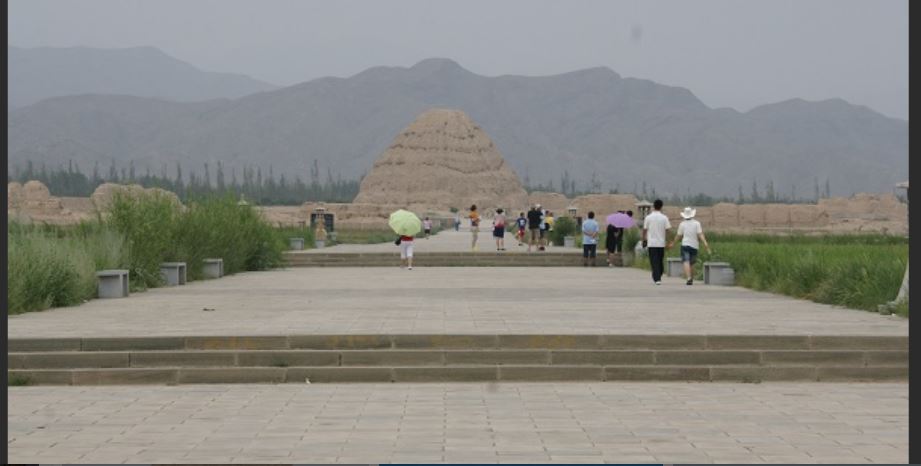
Located in the eastern foothills of the Helan Mountains in Yinchuan, in Northwest China’s Ningxia Hui Autonomous Region, the Xixia Imperial Tombs are widely known as the “Oriental Pyramids.” They represent the largest, highest-ranked, and most intact royal mausoleum complex of the Xixia Dynasty (1038–1227), founded by the Tangut people.
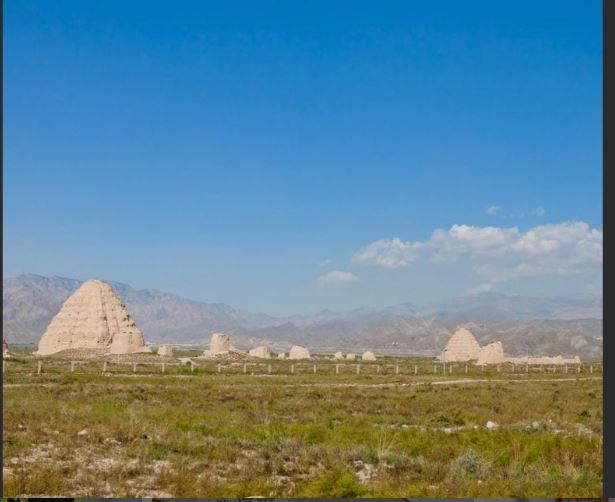
The site includes nine imperial tombs, 271 subordinate tombs, a 5.03-hectare complex of architectural ruins, 32 flood control sites, and over 7,100 artifacts and architectural components, according to Wang Changfeng, a veteran archaeologist with 28 years of work at the site.
“These findings offer profound insights into the engineering, artistry, and multicultural heritage of the Xixia Dynasty,” said Wang.
A document from China’s National Cultural Heritage Administration emphasized the site’s outstanding universal value, particularly its embodiment of multiethnic fusion and cultural interaction in the agro-pastoral borderlands of northwestern China between the 11th and 13th centuries.
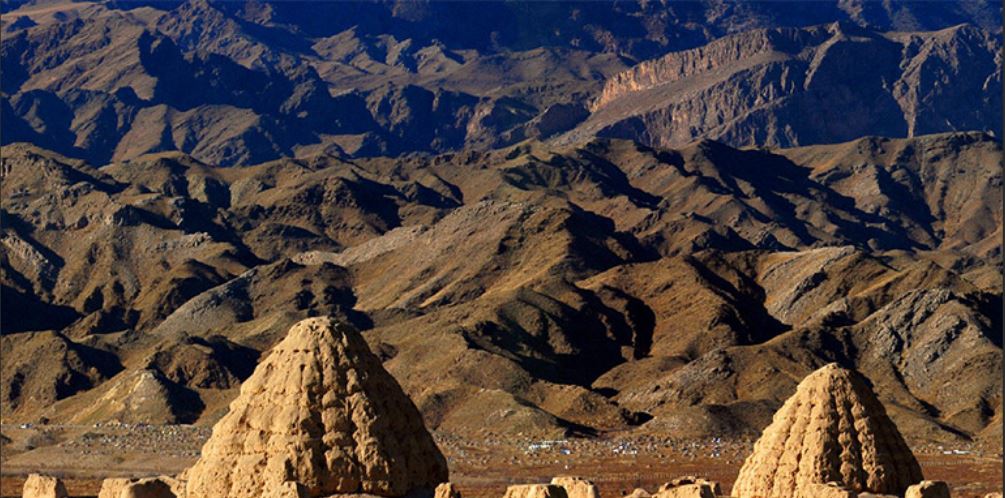
The tombs have preserved their authenticity and integrity, providing rare testimony to the pluralistic and integrated nature of Chinese civilization, and illustrating the formation of a unified multiethnic state in Chinese history.
During the Xixia Dynasty, ethnic groups including the Tangut, Han, Uygur, and Tibetan peoples coexisted peacefully, contributing to a rich and diverse cultural landscape. This legacy of coexistence and integration, scholars argue, is central to understanding the formation of a shared Chinese national identity.
“As a multi-ethnic regime, Western Xia culture was diverse and eclectic, yet it was deeply shaped by Chinese civilization,” said Du Jianlu, dean of the School of Ethnology and History at Ningxia University. “This cultural identity became a driving force in building a unified Chinese community.”
The 2024 session of the UNESCO World Heritage Committee reviewed 30 nominated sites, including 24 cultural, 5 natural, and 1 mixed cultural and natural heritage site. The Xixia Imperial Tombs stood out as China’s unique contribution this year.
About the Author